Best Time to Visit Sri Lanka: Month-by-Month Guide to Both Coasts
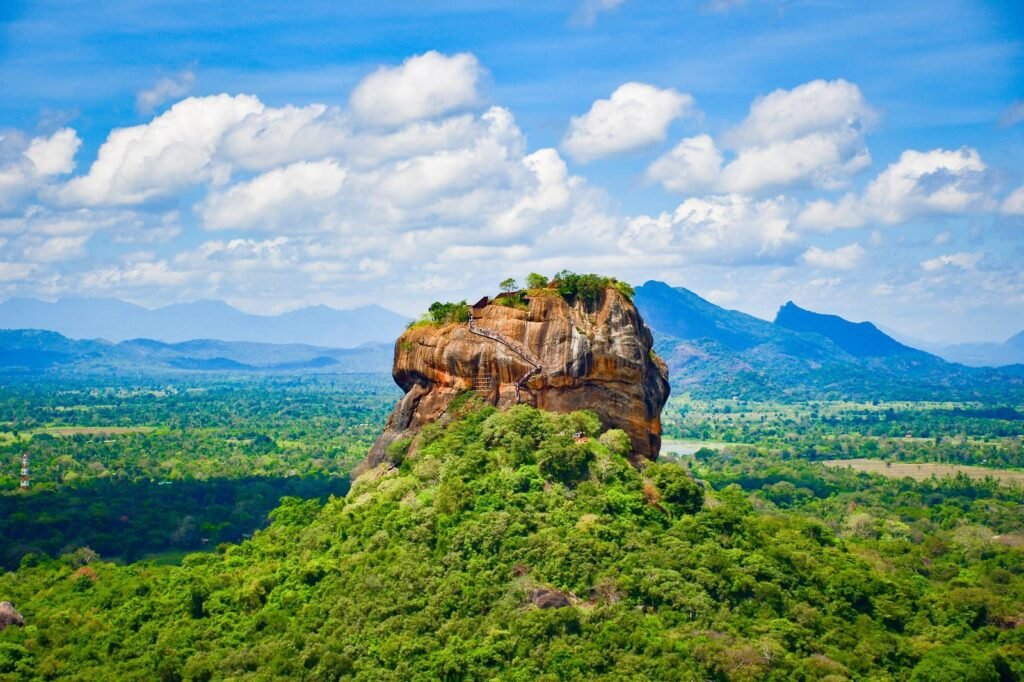
Table of Contents
The best time to visit Sri Lanka depends on which coast you choose, because the island runs on two monsoons. The south-west monsoon (mid-May to October) soaks the west and south coasts and the hill slopes while the east stays largely dry; around the turn of the year the pattern reverses. So there is almost always a coast with settled weather; you just have to choose it.
For Indian travellers, Sri Lanka keeps the same time as India (UTC+5:30), and since 25 May 2026 Indian passport holders have been eligible for a free 30-day tourist ETA, which you still apply for online. This guide gives month-by-month averages for the west coast, east coast and hills, then matches them to beaches, culture, trains, wildlife, whales and festivals.
BeOnd tip: If you can only pick one month for a trip that mixes beach, culture and hills, aim for February. In the long-term averages it is dry or close to dry across most of the island: about 77 mm of rain in Colombo and 73 mm in Nuwara Eliya, against 314 mm in Colombo in May.
The Short Answer: Two Coasts, Two Seasons
Sri Lanka has a dry-season coast for most months. From roughly January to March the west and south coasts (Colombo, Galle, Mirissa) and the hill country are driest. From roughly May to September the east coast (Trincomalee, Batticaloa, Pasikudah) takes over, though it is hot. October and November are the weak spot: at nearly every station we checked, the wettest month falls in one of them, with squalls and sometimes cyclones, according to Sri Lanka’s climate article.
| Region | Best months | Why (long-term averages) |
|---|---|---|
| West and south coast (Colombo, Galle, Mirissa) | Jan–Mar | Colombo: 77–103 mm a month Jan–Mar, 249–314 mm Apr–May |
| East coast (Trincomalee, Batticaloa, Pasikudah) | May–Sep, also Mar–Apr | Trincomalee: 26–67 mm Jun–Aug, 339–376 mm Nov–Dec |
| Hill country (Nuwara Eliya, Kandy, Ella) | Jan–Mar; the Ella side also Jul–Aug | Nuwara Eliya: 72–73 mm Feb–Mar, 247 mm Oct; Bandarawela (near Ella): 68–71 mm Jul–Aug |
| Cultural Triangle (Sigiriya, Polonnaruwa, Anuradhapura) | Jan–Mar; Jun–Sep if you can take the heat | Anuradhapura: 60–86 mm Jan–Mar; highs of 33–35°C Mar–Sep |
| Southern safari parks (Yala, Udawalawe) | Feb–Mar and Jun–Aug; check park notices | Hambantota (stand-in): 31–59 mm in those months, 222 mm in Nov |
Source: NOAA 1991–2020 climate normals (Colombo, Trincomalee, Hambantota, Anuradhapura, Bandarawela) and WMO 1991–2020 normals (Nuwara Eliya), tabulated on Wikipedia. Averages for single stations; individual days and years vary.
Month-by-Month Weather: West Coast, East Coast and Hill Country
Colombo stands in for the west and south coast, Trincomalee for the east, and Nuwara Eliya (almost 1,900 m up) for the hills. Read rain and heat together: Trincomalee’s rain vanishes in June, but so does any relief from 35°C.
| Month | West: Colombo (high · rain) | East: Trincomalee (high · rain) | Hills: Nuwara Eliya (high / low · rain) | BeOnd verdict |
|---|---|---|---|---|
| Jan | 31.4°C · 80 mm | 28.9°C · 152 mm | 19.9 / 10.4°C · 116 mm | West, south, hills good; east showery |
| Feb | 31.6°C · 77 mm | 30.1°C · 96 mm | 21.0 / 10.2°C · 73 mm | Best all-rounder: dry almost everywhere |
| Mar | 32.0°C · 103 mm | 31.7°C · 72 mm | 22.3 / 10.8°C · 72 mm | Dry west and hills; east drying, hot |
| Apr | 32.0°C · 249 mm | 33.4°C · 55 mm | 22.5 / 11.9°C · 134 mm | Hot, thundery; New Year (13–14 Apr) |
| May | 31.5°C · 314 mm | 35.2°C · 48 mm | 21.5 / 13.4°C · 172 mm | Wet west; dry but very hot east |
| Jun | 30.7°C · 197 mm | 35.4°C · 26 mm | 19.2 / 13.8°C · 168 mm | Damp west and hills; east driest, hottest |
| Jul | 30.3°C · 123 mm | 35.3°C · 51 mm | 18.6 / 13.5°C · 155 mm | East coast window; showery west |
| Aug | 30.3°C · 116 mm | 35.3°C · 67 mm | 19.0 / 13.3°C · 132 mm | East coast window; Perahera season |
| Sep | 30.4°C · 264 mm | 34.8°C · 113 mm | 19.5 / 12.9°C · 161 mm | West wet again; east still dry-ish |
| Oct | 30.4°C · 359 mm | 32.4°C · 216 mm | 19.7 / 12.6°C · 247 mm | Weakest month: wet nearly everywhere |
| Nov | 30.6°C · 346 mm | 29.8°C · 376 mm | 19.8 / 12.3°C · 226 mm | Wet on both coasts; east wettest |
| Dec | 30.9°C · 171 mm | 28.8°C · 339 mm | 19.4 / 11.5°C · 183 mm | West drying out; east still very wet |
Source: Colombo and Trincomalee are NOAA 1991–2020 normals; Nuwara Eliya is WMO 1991–2020 normals; all tabulated on Wikipedia. “High” is the average daily maximum. Averages, not forecasts. “BeOnd verdict” is our own judgement for a first-time visitor.
December to March: dry west, drying east
Colombo has 77–103 mm a month from January to March and about five wet days a month in January and February, against about 19 in October. December is a transition month (171 mm, nine wet days). Trincomalee starts wetter, with 152 mm in January, and eases to 72 mm by March. Nuwara Eliya’s lows are about 10°C in January and February.
April to May: hot and thundery
Sri Lanka’s climate article calls March to mid-May an inter-monsoon spell of evening thundershowers and May the hottest month. Colombo gets 249 mm in April and 314 mm in May; Trincomalee is drier (55 and 48 mm) but reaches 35.2°C in May.
June to September: the south-west monsoon
The west and south are wet or showery (Colombo: 197 mm in June, 264 mm in September). The east is dry and very hot, at about 35°C. Nuwara Eliya is cool but cloudy: older German weather service figures give it about 68 hours of sunshine in July against 198 in March.
October to November: the weak spot
Colombo has 359 and 346 mm, Trincomalee jumps from 216 to 376 mm, and Nuwara Eliya has 247 mm in October. There is no dry coast now, and many Indian families take a Diwali break around then.
December to March: Peak Beach Season, Honestly
This is the classic beach window, and it lines up with Indian year-end leave. Galle averages 71–90 mm of rain a month from January to March and Colombo’s highs sit at 31–32°C. Galle Fort is 113 km from Colombo by road and Mirissa about 150 km south of the capital.
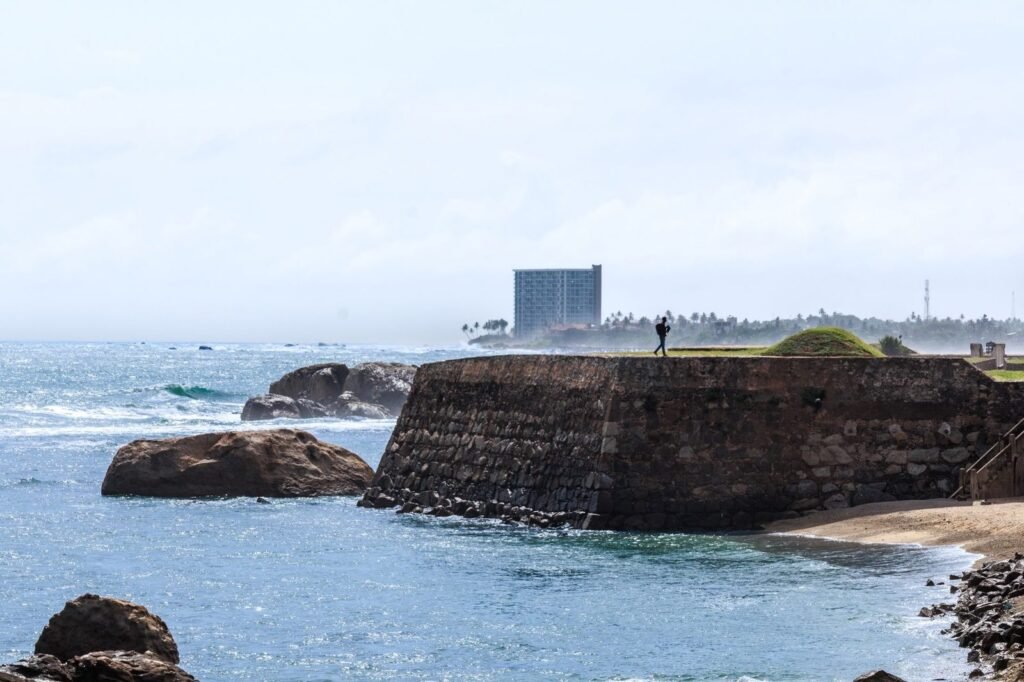
The case for going
- The driest run on the west and south. January to March is the lowest-rainfall stretch at both Colombo and Galle, and the hills are dry too (Nuwara Eliya: 72–73 mm in February and March).
- South-coast whale watching is also commonly said to run to about April (see below).
The case against
- It is busy. Wikipedia’s monthly arrivals table shows December and January among the busiest months, so book early, especially for Christmas and New Year.
- December is not fully dry. Colombo has 171 mm and nine wet days and Galle 176 mm, so January to March is the safer bet.
- The east coast is out of season. Trincomalee has 152 mm in January; March is the earliest sensible month for an east-coast beach.
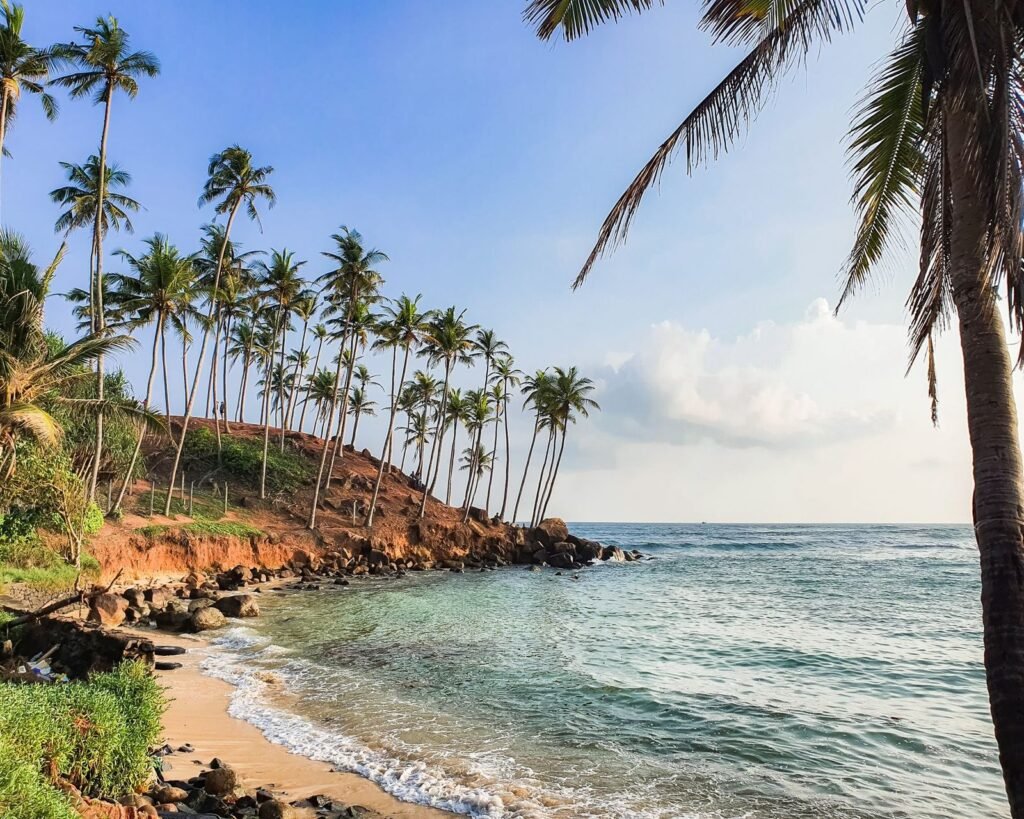
Comparing beach destinations? See our Maldives, Bali and Thailand pages.
May to September: When the East Coast Takes Over
Sri Lanka’s climate article says the south-west monsoon rains fall on the south-west and the mountains while the east and north-east receive little, and the numbers agree: Trincomalee has 26–67 mm a month from June to August, and Batticaloa 31–52 mm.
Pasikudah, in Batticaloa District about 35 km north-west of Batticaloa, is known for one of the longest stretches of shallow reef coastline in the world, with wading-depth water that suits young children. The trade-off is heat: highs are about 34°C at Batticaloa and 35°C at Trincomalee.
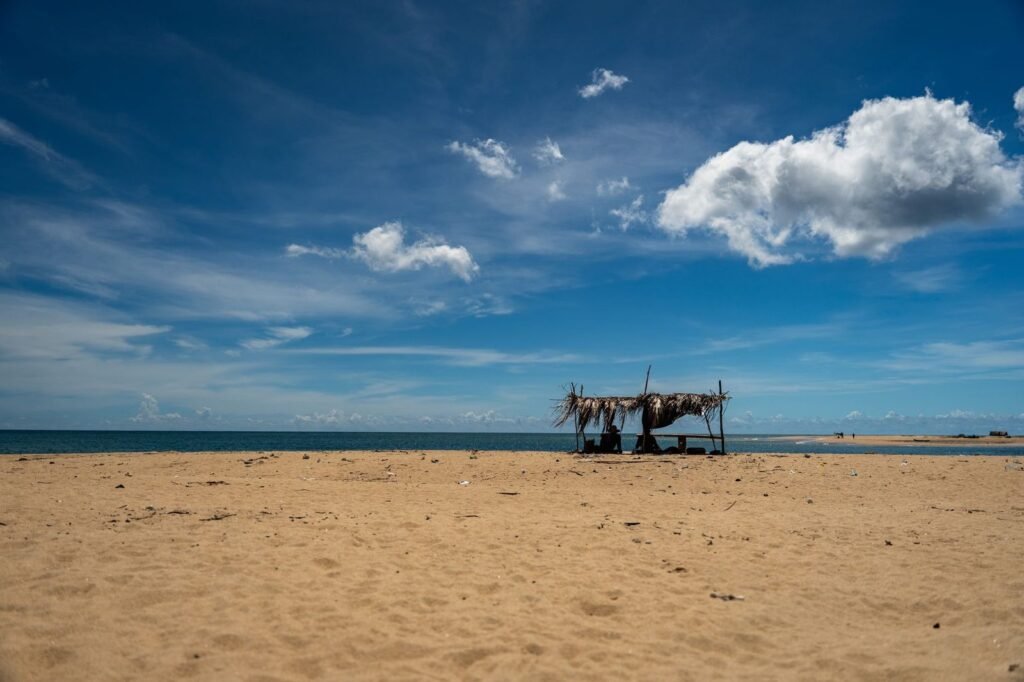
Best Time to Visit Sri Lanka by Type of Trip
Culture and the Cultural Triangle
Wikipedia describes the Cultural Triangle as the central region around Anuradhapura, Polonnaruwa, Sigiriya, Dambulla and Kandy, five World Heritage cultural sites. Sigiriya, a fifth-century citadel on a granite column about 180 m high, was inscribed in 1982. Go in January to March (Anuradhapura averages 60–86 mm a month) and avoid October to December (225–281 mm). June to September is drier but 33–34°C, so start early. Kandy, at roughly 500 m, is milder (highs of 27–30°C in a travel-site-sourced table), and Wikipedia calls January to April its drier period.
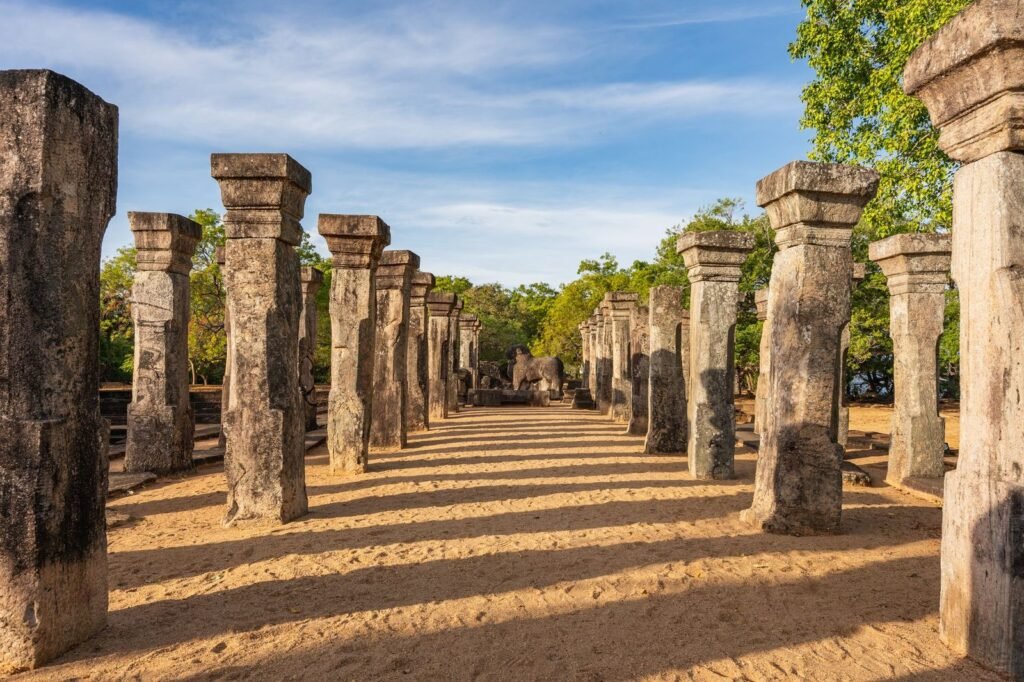
Hill country and the Ella train
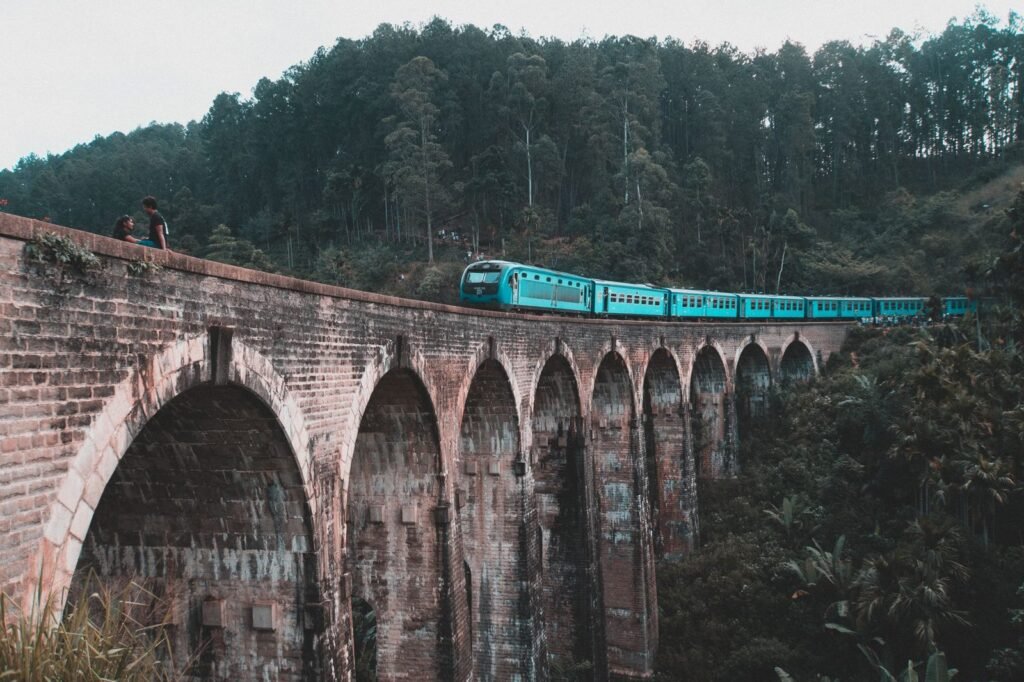
Nuwara Eliya, Sri Lanka’s main tea-growing area according to Wikipedia, has highs of 18.6–22.5°C all year and is driest in February and March. The Main Line railway climbs to Pattipola, 1,898 m above sea level, and the Nine Arches Bridge (completed 1919, 24 m high) stands between Ella and Demodara stations. Bandarawela, 11 km from Ella, is driest in July and August (68–71 mm) and in February (96 mm), while October and November exceed 330 mm, so cloud and rain can hide the views.
Wildlife: Yala and Udawalawe
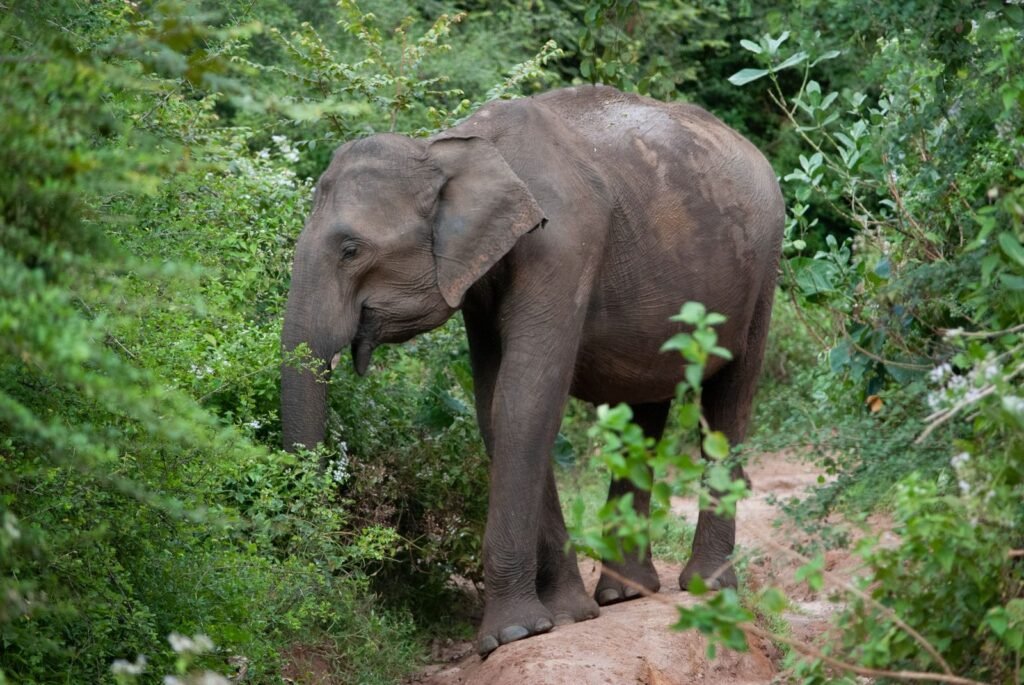
Yala, per Wikipedia, has one of the highest leopard densities in the world; Udawalawe, 165 km from Colombo, has an estimated 250 resident elephants. Yala is about 270 km from Colombo by road, so allow a travel day. The drier months at Hambantota are February–March and June–August. Avoid September and October: in 2026 Blocks 1 and 2 of Yala closed from 14 September to 15 October because of dry weather, and a 2019 closure ran from 1 September to 31 October. Check the Department of Wildlife Conservation’s notices first.
Whale watching
Sri Lanka Tourism names Dondra Point (reached from Galle, Hikkaduwa and Mirissa) and Trincomalee as whale-watching spots, mentioning humpback and blue whales, but gives no months. Operators commonly cite roughly November or December to April for the south coast and March or April to September for Trincomalee. Sources disagree on the peak and sightings are never certain, so ask the operator.
Honeymoons and families
Honeymoons: February and March let couples pair a south-coast beach stay with a cool night or two in the hills (Nuwara Eliya lows are about 10–11°C). Our honeymoon packages page shows how we plan romantic trips.
Families: for a May–June summer break, choose the east coast or cool hills over the west and south; for a Diwali break (October–November), expect the wettest weather almost everywhere and plan flexible days; for late December, book the west and south early.
Festivals, Pilgrimages and the Ramayana Trail
Sinhala and Tamil New Year (13–14 April)
Wikipedia says it is generally celebrated on 13 or 14 April, with two official public holidays, and that most shops and businesses close for about a week. Nuwara Eliya “really comes alive” in April with horse and motor racing, golf and a flower show. It is busy, and Colombo is hot and thundery (249 mm in April), so book early.
Kandy Esala Perahera (July–August)
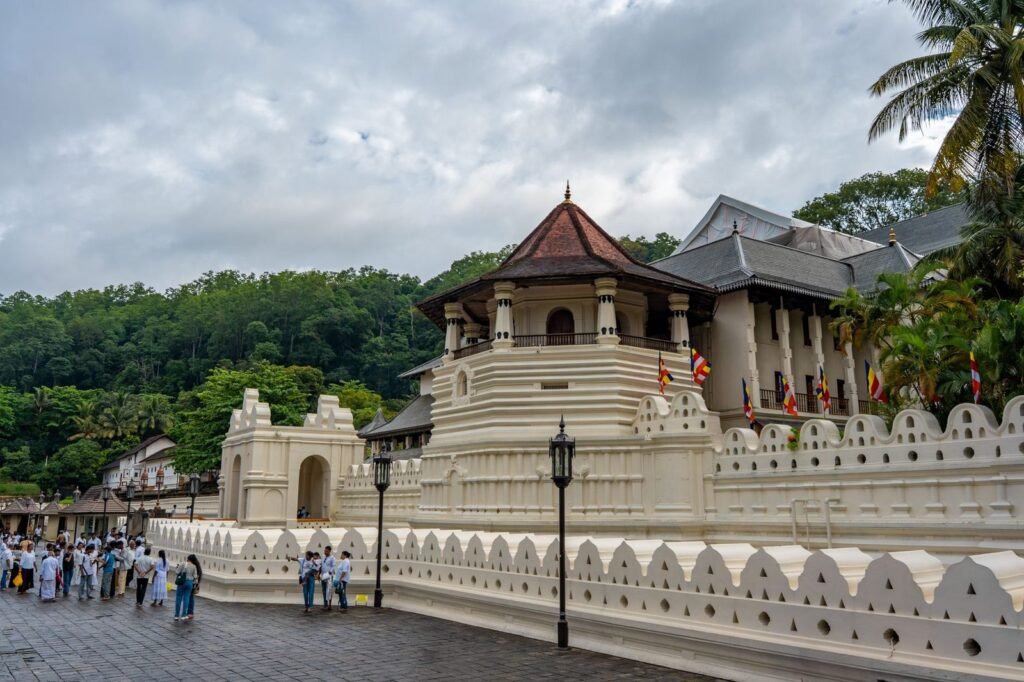
The festival honours the Sacred Tooth Relic. Wikipedia says it is held in July and August, and the final Randoli Perahera usually falls on the Nikini full-moon Poya day. Dates follow the lunar calendar and are announced a few months ahead: the 2025 festival was announced for 25 July to 9 August.
Adam’s Peak (December to May)
Revered by Buddhists, Sri Lankan Hindus and some Muslims and Christians, the 2,243 m peak is most often climbed from December to May, with April the peak pilgrimage season. Outside those months heavy rain, wind and mist make it hard to climb. Our spiritual tours page covers yatras.
The Ramayana Trail
Sri Lanka Tourism’s Ramayanaya Yathra page says the island preserves the epic’s memory “in over 50 locations” and names sites including Sita Amman Temple, Thiru Koneswaram and Sita Kotuwa. Seetha Amman Temple, 5 km from Nuwara Eliya town, is believed to be where Ravana held Sita, and Koneswaram, a Shiva temple in Trincomalee, is tied to Ravana by the Ramayana account. With one site in the hills and one on the east coast, March is a sensible compromise: Nuwara Eliya and Trincomalee both average about 72 mm then, against 116 and 152 mm in January.
Entry, Time Zone and Practical Tips for Indian Travellers
- Entry. India is on the official ETA portal’s list of 40 countries whose nationals can get a tourist ETA free of charge for 30 days from 25 May 2026, with double entry within the 30 days. You must still obtain the ETA before arrival, and a longer stay needs an extension and the applicable fee. The notice gives no end date, but schemes change, so confirm eligibility, documents and passport rules on eta.gov.lk.
- Time difference. None. Sri Lanka Standard Time and India Standard Time are both UTC+5:30.
- Currency and power. The currency is the Sri Lankan rupee (LKR). Wikipedia lists 230 V, 50 Hz and type D, G and M plugs (only type G may be made or imported since August 2017), so carry a universal adapter.
- Distances. Combining coast, hills and the Cultural Triangle means long transfers, so allow more days than the map suggests.
- Good to know. India is first by arrivals in Wikipedia’s 2024 and 2025 tourism tables. Full-moon Poya days are public holidays, so expect closures. Re-check advisories before departure, then send your dates through our contact page or browse our international tour packages.
- Other guides. See also our best time to visit Dubai from India and best time to visit Azerbaijan guides.
Frequently Asked Questions
What is the best month to visit Sri Lanka?
There is no single best month because Sri Lanka has two monsoons. February is the best all-rounder: in the long-term averages it is dry or close to dry on the west and south coasts, in the hills and in the Cultural Triangle. The east coast is best from roughly May to September.
When is the best time for Sri Lanka’s beaches?
On the west and south coasts (Colombo, Galle, Mirissa), roughly January to March is driest. On the east coast (Trincomalee, Batticaloa, Pasikudah), roughly May to September is driest, though highs reach about 35°C. March works on both.
Is Sri Lanka worth visiting during the monsoon?
It can be if you pick the right coast: from mid-May to October the west and south get the south-west monsoon while the east is largely dry. October and November are the hardest months, with the wettest weather at almost every station we checked, so build in flexible days.
When is the best time for whale watching in Sri Lanka?
Operators and guides commonly cite roughly November or December to April for the south coast and roughly March or April to September for Trincomalee. Sources disagree on the peak, so confirm with the operator.
Do Indians need a visa for Sri Lanka?
Indian passport holders must obtain an ETA online before arrival. Since 25 May 2026 India has been on the official list of 40 countries whose nationals get a free 30-day tourist ETA. Rules change, so check the official portal (eta.gov.lk). There is no time difference with India.
What is the best time for the Ella train and the hill country?
January to March is the most reliable window for Nuwara Eliya (72–116 mm of rain a month). Bandarawela, near Ella, is driest in July and August and in February. October and November exceed 330 mm there, so cloud and rain can hide the views.
Helpful Official Resources
Getting there: From Colombo: Galle Fort 113 km, Mirissa about 150 km, Udawalawe 165 km, Ella about 200 km, Yala about 270 km. Sri Lanka keeps the same time as India (UTC+5:30).
- Sri Lanka Tourism — official tourism site
- Sri Lanka ETA portal — official tourist ETA applications
- Ramayanaya Yathra — Sri Lanka Tourism — official Ramayana trail page
- Whale watching — Sri Lanka Tourism — official whale and dolphin watching page
- UNESCO — Ancient City of Sigiriya — inscribed 1982
- UNESCO — Old Town of Galle and its Fortifications — inscribed 1988
- UNESCO — Sacred City of Kandy — inscribed 1988
- Climate of Sri Lanka — Wikipedia — monsoon seasons and wet and dry zones
- Esala Perahera — Wikipedia — Kandy’s festival of the Tooth Relic
- Adam’s Peak — Wikipedia — pilgrimage season and background
- Sri Lanka — Wikidata — structured reference data
- Sri Lanka on Google Maps — distances and directions
Ready to Turn This Guide Into a Trip?
Tell us your dates and budget — we’ll handle everything else.