12 Jyotirlinga: Complete List, Locations and Route Planning Guide
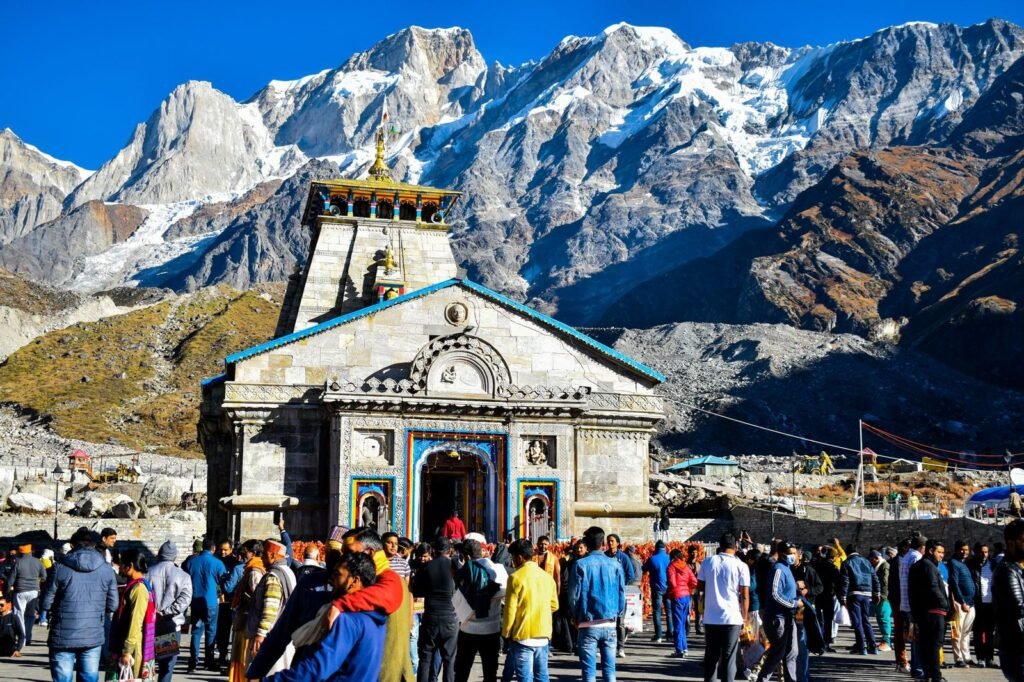
Table of Contents
The 12 Jyotirlinga are the Shiva shrines that Hindu tradition regards as the most sacred of all, from the Arabian Sea coast of Gujarat to the snow line of the Himalaya and Rameswaram in the far south. For many Indian families, visiting all twelve is often a lifetime goal, and the first questions are always where exactly they are and how to group them into realistic trips.
This guide gives the full list with the state, town and a Google Maps link for each shrine, explains why Vaidyanath and Nageshwar have more than one claimed location, and sorts the twelve into regional circuits with our planning view on days needed. It also covers seasons, lunar festival dates and the rules that official temple trusts publish. Timings and booking systems change, so confirm on each temple’s official site before you travel.
BeOnd tip: Do not try to fit all twelve into one journey. Plan regional circuits, and fix Kedarnath first, because it is open to pilgrims for only part of the year.
What Is a Jyotirlinga?
A Jyotirlinga is a devotional representation of Shiva. The word combines the Sanskrit jyotis (‘radiance’) and linga (‘sign’), often translated as ‘lingam of light’. According to a legend in the Shiva Purana, Brahma and Vishnu once argued over who was supreme, and Shiva appeared as an endless pillar of light; the Jyotirlinga shrines are regarded as places where he appeared as that fiery column.
Wikipedia notes that the Shiva Purana mentions 64 original jyotirlinga shrines, of which twelve are considered especially auspicious. Each is named for its presiding deity, regarded as a distinct manifestation of Shiva, and has a lingam as its main image. Pilgrims recite the twelve in the Dvadasha Jyotirlinga stotra, which several temple trusts print on their websites.
There is no fixed order. Wikipedia lists the twelve ‘not in order’, says Somnath is traditionally considered the first pilgrimage site, and temple sources number them differently (the Badrinath–Kedarnath committee calls Kedarnath the eleventh). Plan by geography, not by number.
The 12 Jyotirlinga List: States, Towns and Map Links
The table follows the commonly used list, grouped by region to match the circuits below. The Map link opens Google Maps. Two rows are marked disputed; the next section explains why.
| Jyotirlinga | State | Town | One factual line | Map |
|---|---|---|---|---|
| Somnath | Gujarat | Prabhas Patan, Veraval (Gir Somnath district) | Coastal Saurashtra temple; present building completed May 1951. | Map |
| Nageshwar | Gujarat (disputed) | Near Dwarka (Devbhumi Dwarka district) | On the road towards Beyt Dwarka; Aundha Nagnath and Jageshwar also claim the name. | Map |
| Mahakaleshwar | Madhya Pradesh | Ujjain | On the Shipra river; its lingam faces south, which Wikipedia notes as unique among the twelve. | Map |
| Omkareshwar | Madhya Pradesh | Omkareshwar (Khandwa district) | On Mandhata island in the Narmada; Mamleshwar shrine on the south bank. | Map |
| Trimbakeshwar | Maharashtra | Trimbak (Nashik district) | Roughly 24–28 km from Nashik, near the source of the Godavari; a three-faced lingam. | Map |
| Bhimashankar | Maharashtra | Bhimashankar village (Pune district) | Hill shrine about 110 km from Pune; the Bhima river is said to originate here. | Map |
| Grishneshwar | Maharashtra | Verul, near Ellora (Chhatrapati Sambhajinagar district) | Close to the Ellora Caves and about 30 km north-west of Aurangabad. | Map |
| Mallikarjuna | Andhra Pradesh | Srisailam (Nandyal district) | Hill temple in the Nallamala range; also a Shakta pitha. | Map |
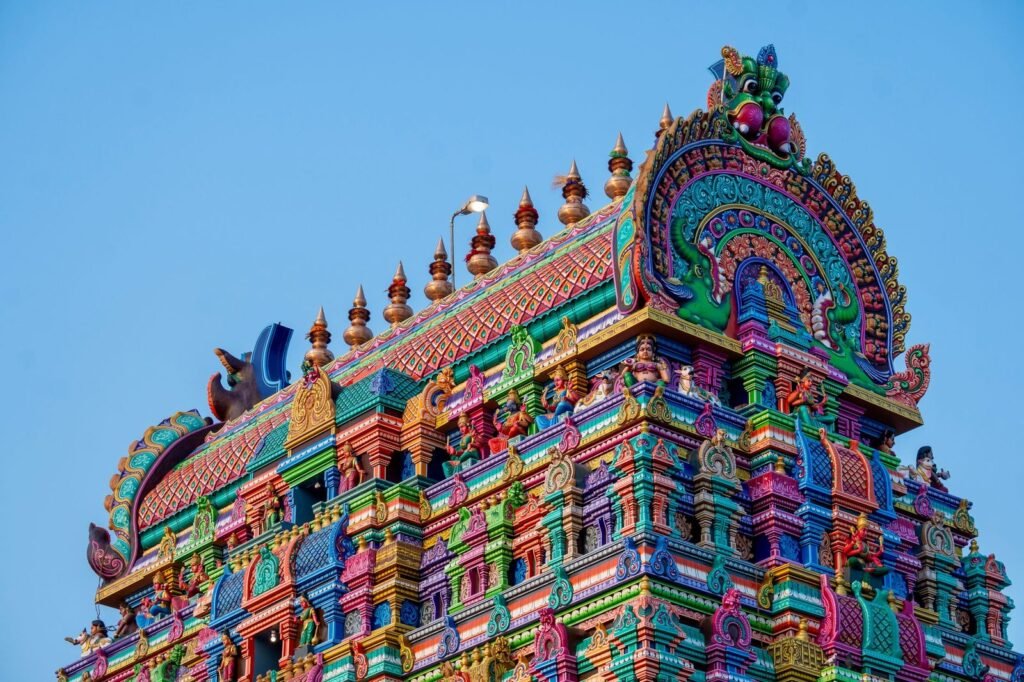
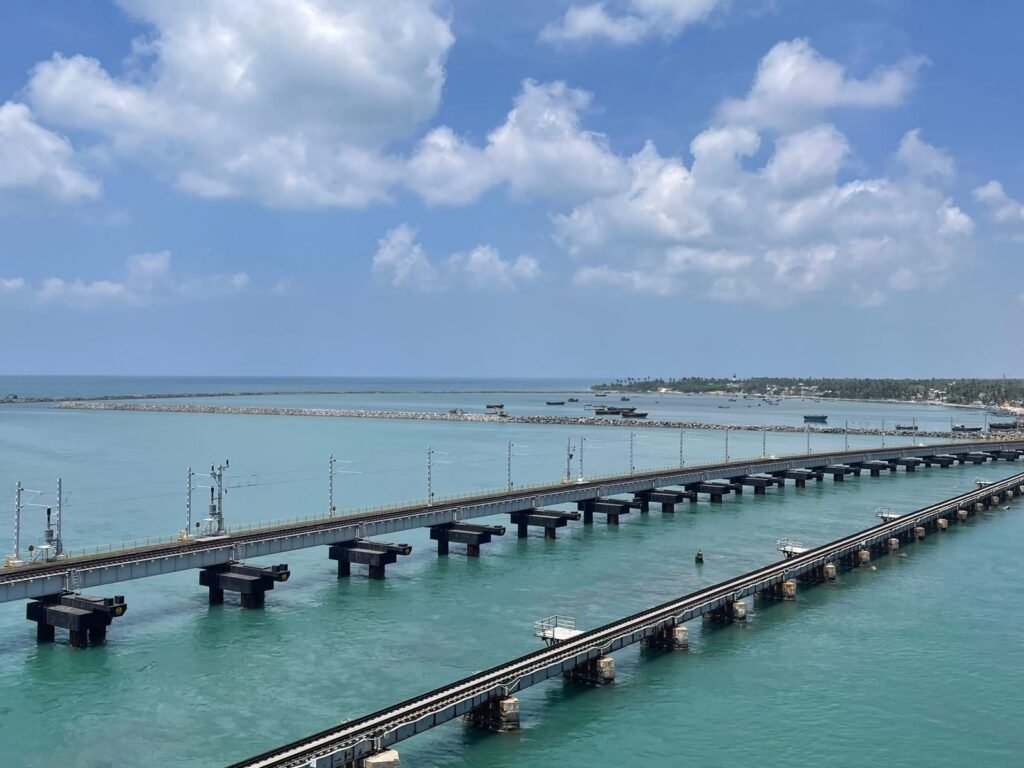
| Rameshwaram | Tamil Nadu | Rameswaram (Pamban Island) | Ramanathaswamy Temple, said to have India’s longest temple corridor. | Map |
| Kashi Vishwanath | Uttar Pradesh | Varanasi | On the Ganga’s western bank; present temple built by Ahilyabai Holkar in 1780. | Map |
| Vaidyanath (Baidyanath) | Jharkhand (disputed) | Deoghar | Central shrine plus 21 other temples; Parli and Baijnath also claim the name. | Map |
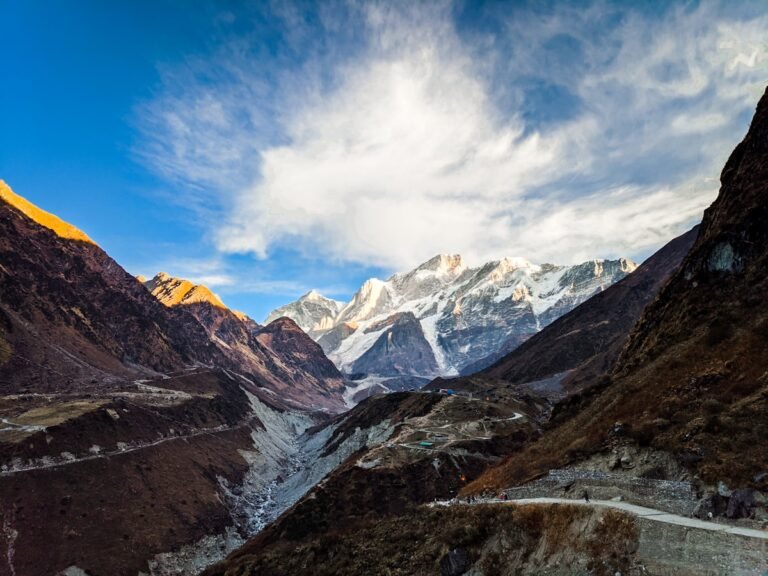
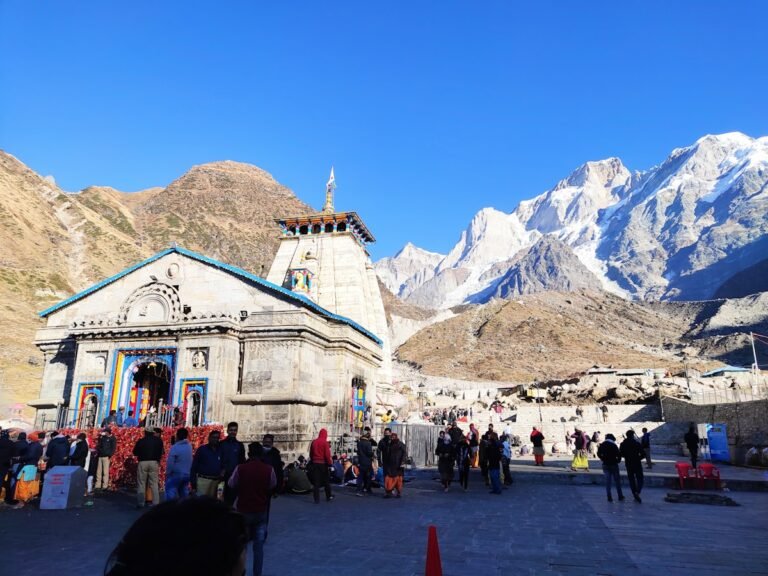
| Kedarnath | Uttarakhand | Kedarnath (Rudraprayag district) | At 3,583 m in the Garhwal Himalaya; open only part of the year. | Map |
Sources: Wikipedia’s Jyotirlinga list and temple articles, cross-checked with the official pages under Helpful Official Resources.
Vaidyanath and Nageshwar: Why Two Locations Are Disputed
Wikipedia’s articles on Vaidyanath and Nageshwar both say plainly that the location is contested, because the Shiva Purana’s wording points to place-names that more than one temple claims. We set out the claims neutrally; which temple you follow is a matter for your family tradition, guru or priest.
Vaidyanath: Deoghar, Parli, Baijnath or Gokarna
Wikipedia lists four claimed temples: Parli (Maharashtra), Deoghar (Jharkhand), Baijnath in Kangra (Himachal Pradesh) and a Mahabaleshwar temple at Gokarna, and adds that the Government of India has not notified any one of them. The stotra’s line reads paralyam vaidyanatham; Wikipedia says it names the Parli temple, and the Vaijnath Devasthan website prints the verse. Deoghar is the entry on Wikipedia’s main list and on the Government of India’s Incredible India page.
Wikipedia also records a January 2018 protest by Deoghar’s priests when Parli’s priest was invited to a gathering of all twelve Jyotirlinga priests in Madhya Pradesh, and says the claimants are reluctant to give up their claims.
Nageshwar: Dwarka, Aundha Nagnath or Jageshwar
The Shiva Purana places Nageshwar in Darukavana, a forest by the western sea, whose exact location Wikipedia says is still debated. The Devbhumi Dwarka district website places the Nageshwar temple between Dwarka and Beyt Dwarka in Gujarat. Wikipedia describes Aundha Nagnath in Hingoli district, Maharashtra, as considered the eighth of the twelve and a protected monument. Jageshwar near Almora, Uttarakhand, is identified by some as Nageshwar because Darukavana may mean a deodar forest.
Deoghar and Dwarka are the simplest starting points because they appear on Wikipedia’s main list and on government tourism pages. We found no source ranking the claimants by visitor numbers, so we will not guess; if your tradition names another site, tell us and we will adapt the route. Maps: Parli, Baijnath (Himachal), Aundha Nagnath and Jageshwar.
Route Planning: Grouping the Twelve into Regional Circuits
Nobody covers the twelve as one loop, so plan regional circuits. The day counts below are our own planning opinion, not sourced figures, and assume a steady pace with no weather buffer. Gateways and distances come from Wikipedia and government pages; road times are left out because they change.
| Circuit | Jyotirlingas | Main gateways (as sourced) | Our day estimate |
|---|---|---|---|
| Gujarat | Somnath, Nageshwar (Dwarka) | Veraval and Somnath stations, Diu and Keshod airports, Dwarka station; about 235 km Somnath to Dwarka | 3–4 days |
| Madhya Pradesh | Mahakaleshwar, Omkareshwar | Indore airport, Ujjain Junction, Khandwa Junction; about 140 km between the shrines | 3 days |
| Maharashtra | Trimbakeshwar, Bhimashankar, Grishneshwar (plus Parli, Aundha Nagnath) | Nashik, Pune, Aurangabad (Chhatrapati Sambhajinagar) | 4–5 days (plus 1–2) |
| Kashi and Deoghar | Kashi Vishwanath, Vaidyanath | Varanasi Junction, Jasidih Junction, Deoghar Airport | 4 days |
| Himalaya | Kedarnath | Haridwar or Rishikesh, then Gaurikund | 5–6 days |
| South | Mallikarjuna, Rameshwaram | Hyderabad for Srisailam; Rameswaram rail terminus | 5–6 days |
Sources: Wikipedia and government pages as cited in the text. Day estimates are BeOnd Journeys’ own planning opinion.
Gujarat: Somnath and Nageshwar
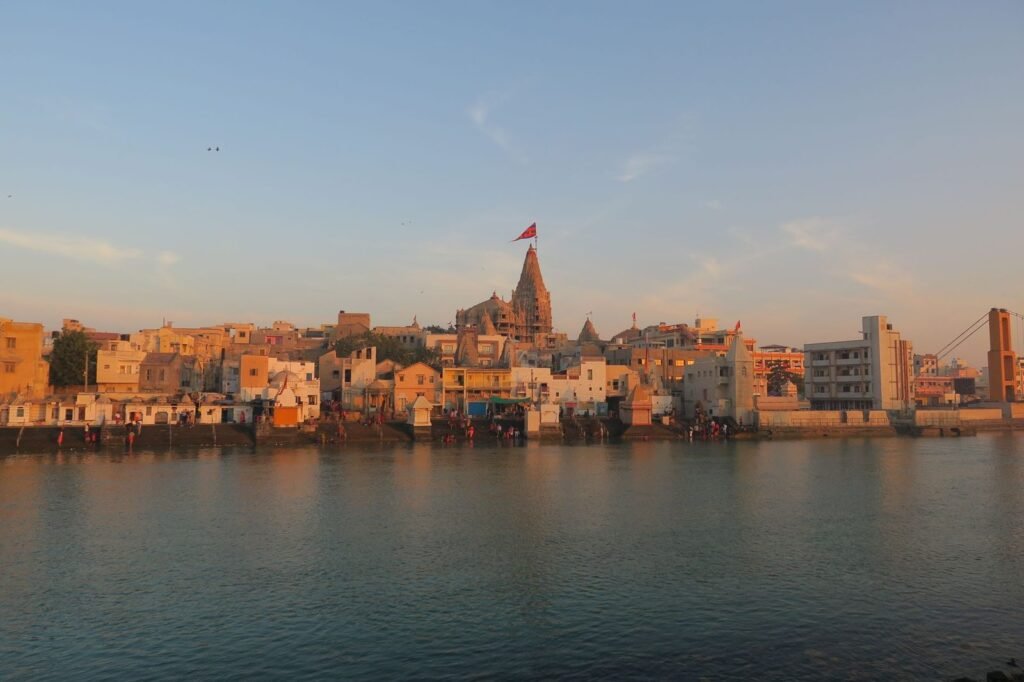
Somnath is on the Saurashtra coast at Prabhas Patan, Veraval. The trust names Diu as the nearest airport, but Wikipedia, the trust and Incredible India give three different distances to it. Dwarka is about 235 km from Somnath by road, says Wikipedia, and the district website puts Nageshwar about 16 km from Dwarka railway station.
Madhya Pradesh: Ujjain and Omkareshwar
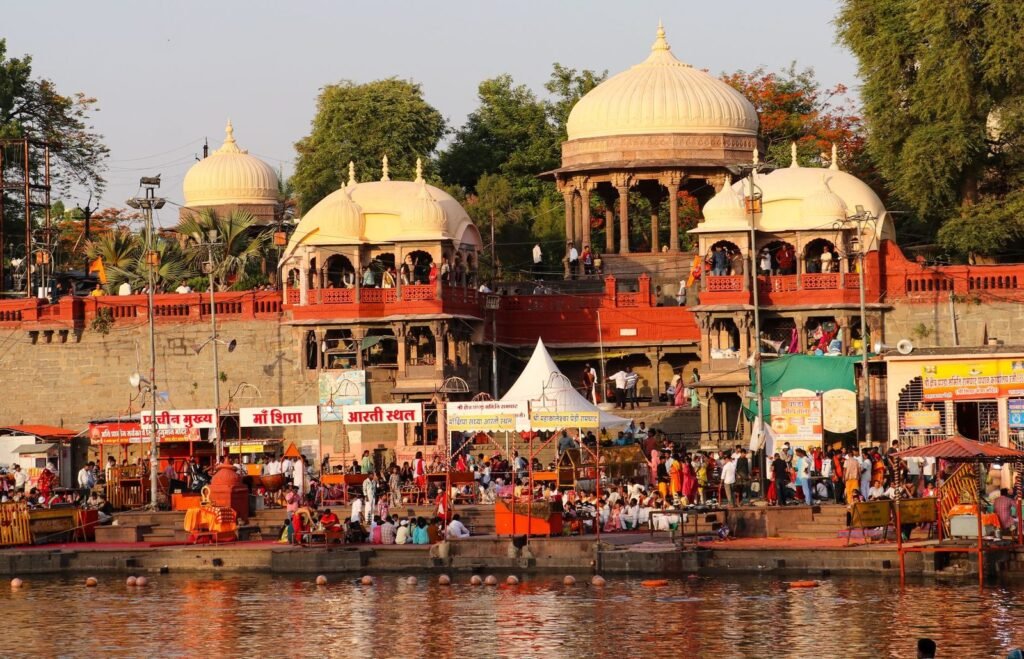
Mahakaleshwar is about 2 km by road from Ujjain Junction, and Indore airport is roughly 57 km away, according to Wikipedia. Omkareshwar is about 77 km from Indore, says its trust, and Mahakaleshwar lies about 140 km north of it. The trust describes a parikrama of about 7 km around Mandhata hill.
Maharashtra: Trimbakeshwar, Bhimashankar and Grishneshwar
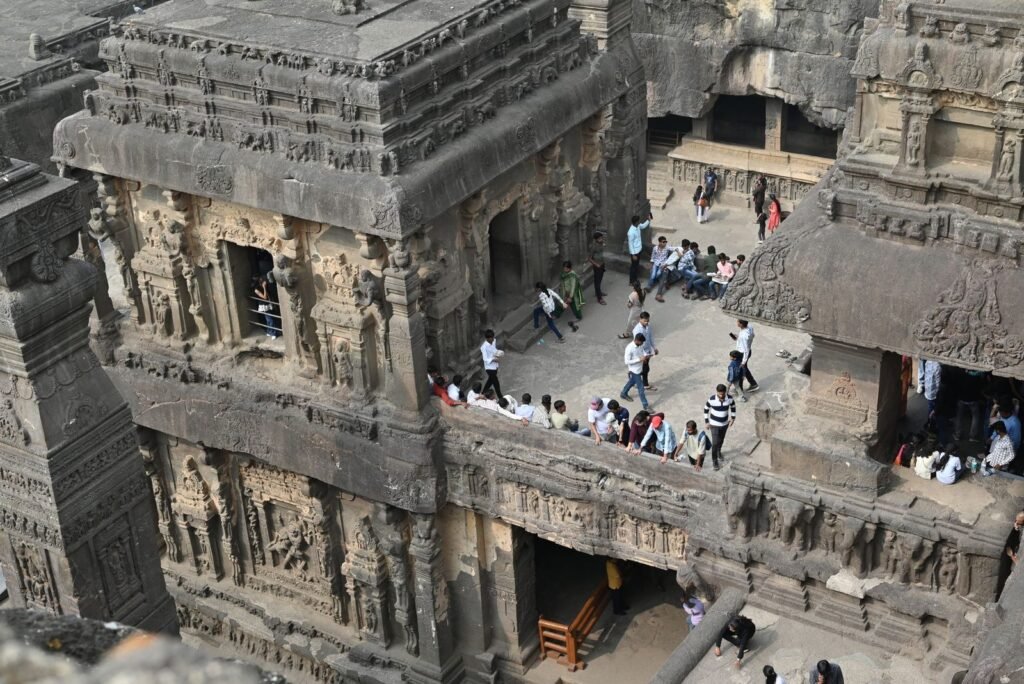
Trimbakeshwar is close to Nashik, which has an airport at Ozar and Nasik Road railway station; Wikipedia’s articles give 24 to 28 km. Bhimashankar is about 110 km from Pune, and its trust site has posted notices limiting darshan hours during construction work, so check it before you go. Grishneshwar is at Verul, near the Ellora Caves, about 30 km from Aurangabad. The three lie in different districts, so plan separate road legs.
Kashi and Deoghar: the eastern plains
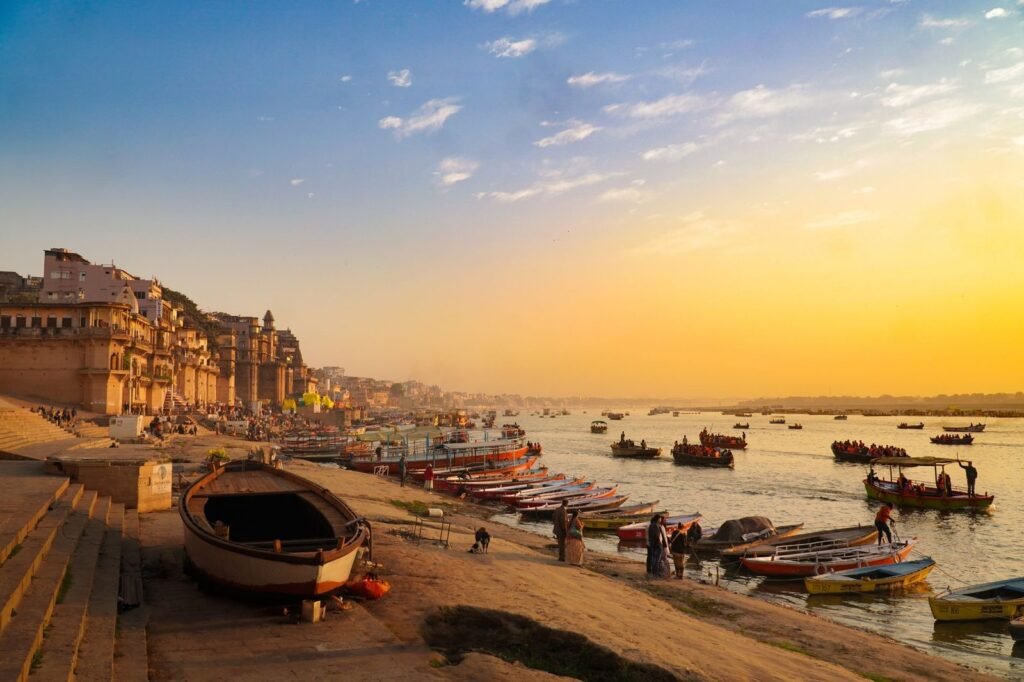
Varanasi has Varanasi Junction and Lal Bahadur Shastri Airport, about 26 km from the centre. Deoghar’s main station, Jasidih Junction, is about 7 km from the temple, and Wikipedia says Deoghar Airport has flights to Delhi, Mumbai, Bengaluru and Kolkata.
Himalaya: Kedarnath
Kedarnath sits at 3,583 m. Wikipedia describes a 17 km uphill trek from Gaurikund and helicopter services from Phata and Sersi; the temple committee says helicopter tickets are sold only through IRCTC. See our Kedarnath yatra guide and Char Dham guide.
South: Srisailam and Rameswaram
Hyderabad is the usual gateway for Srisailam, 231 km by road per Wikipedia, which adds that road travel to Srisailam is barred from 9 pm to 6 am because the road crosses forest, so check the current rule. Rameswaram is the rail terminus from Chennai and Madurai, and Wikipedia counts it among the Char Dham sites.
Best Time to Visit by Region
Climates differ widely, so there is no single best month. The table gives long-term averages for four hub cities and Kedarnath; July and August are the wettest months at every station.
| Place (for which shrine) | Jan high / low | May high | July rain | Reading of the data |
|---|---|---|---|---|
| Varanasi (Kashi) | 22 / 9°C | 40°C | 265 mm | Cool winter mornings, very hot May, heavy monsoon |
| Ujjain (Mahakaleshwar) | 26 / 9°C | 41°C | 331 mm | Warm winters, hottest April–May, rain peaks in July |
| Veraval (Somnath) | 29 / 15°C | 33°C | 342 mm | Mildest swings; June–September carry nearly all the rain |
| Nashik (Trimbakeshwar) | 29 / 10°C | 37°C | 241 mm | Hot April–May, wet July–September |
| Kedarnath | 1 / −8°C | 15°C | 240 mm | Sub-zero January nights; wettest July–August; open only April to November, per Wikipedia |
Source: Wikipedia weather boxes. Varanasi, Ujjain, Veraval and Nashik (Ozar Airport) are India Meteorological Department 1991–2020 normals; Kedarnath is climate-data.org as cited on Wikipedia, so compare with care. Averages only; individual days vary. Trimbak sits in the hills and will differ from Nashik. Wikipedia has no weather table for Rameswaram, Srisailam or Deoghar.
- Western India. Incredible India calls October to February the most pleasant time for Somnath.
- Eastern plains. Incredible India names October to February as the best time for Baidyanath Dham.
- Central India and Maharashtra. Winter avoids both the April–May heat and the July–September rain in the table. That is our reading of the data, not an official recommendation.
- Srisailam and Rameswaram. We found no official best-time statement, so check the India Meteorological Department forecast near your dates.
Festivals, Lunar Dates and Crowds
Most Shiva festivals follow the lunar calendar, so their dates shift every year. Check the current year’s panchang before you fix travel.
- Maha Shivratri. It falls on the 14th lunar day of the waning fortnight of Magha (amanta) or Phalguna (purnimanta), the same night across India. It was on 15 February in 2026; Drik Panchang lists Saturday 6 March 2027 on New Delhi timings, so confirm locally. Incredible India notes that it draws large crowds at Somnath.
- Shravan (Sawan). The month of Shiva worship falls in the monsoon, about July–August, and begins after Amavasya (amanta) or Purnima (purnimanta), so dates differ by region. In 2027 Drik Panchang gives 19 July to 17 August for the north and 3 to 31 August for Maharashtra, Gujarat and the south. At Deoghar it brings the Shravani Mela, when devotees carry Ganga water from Sultanganj.
- Simhastha. Wikipedia reports that the next Nashik–Trimbakeshwar Simhastha runs from 31 October 2026 to 24 July 2028, with Amrit Snan days on 2 August, 31 August and 11 September 2027 at Nashik and 12 September at Trimbakeshwar. Dates may be revised, and crowds will be very heavy. Ujjain’s Simhastha follows its own 12-year cycle.
- Kedarnath season. The opening date is traditionally decided on Maha Shivratri at Ukhimath; in 2026 the portals opened on 22 April. Closing dates are announced each year too; in 2025 the doors closed on 23 October.
Darshan Booking, Dress Code and Practical Rules
Rules sit with each trust and change, so this shows what official pages said when we checked. Even official pages differ: the Kashi Vishwanath trust says the temple opens at 3:00 am, while Incredible India says 2:30 am.
- Kedarnath. The Uttarakhand government says registration is necessary before you travel, with verification at each shrine, a darshan slot token and valid ID. The temple committee warns of extreme cold and reduced oxygen, so consult a doctor if you have a health condition.
- Kashi Vishwanath. The trust’s FAQ says there is no dress code but asks for decent clothes, and bars electronic and other gadgets, even pens, from the premises. Free lockers are provided, and a ticketed queue-less Sugam Darshan can be booked on its portal.
- Somnath. The trust lists darshan from 6:00 am to 10:00 pm, aarti at 7:00 am, noon and 7:00 pm and a 7:45 pm light show, but its pilgrim-facilities page lists no accessibility details, so ask directly if someone uses a wheelchair.
- Mahakaleshwar. Bhasma Aarti is booked in advance; a December 2025 Free Press Journal report described online registration opening months ahead and some dates blocked. Use the temple’s official portal for the current process.
- Trimbakeshwar. The trust site lists online and offline donation-darshan passes, and showed an order closing the temple on 30–31 October 2026, a reminder that shrines can close at short notice.
- Grishneshwar and Parli. Incredible India says men remove shirts before the Grishneshwar sanctum; Wikipedia says male devotees at Parli may not wear clothes above the waist during abhishekam.
- Omkareshwar and Rameswaram. Both have official online booking: the Omkareshwar trust site and the Tamil Nadu HRCE portal.
We found no published accessibility details for most of these temples, so if you travel with senior citizens, ask each trust about queues, steps and wheelchair access. BeOnd Journeys plans customised spiritual tours; reach us through our contact page.
Frequently Asked Questions
What are the 12 Jyotirlingas and where are they located?
Somnath and Nageshwar (Gujarat); Mahakaleshwar at Ujjain and Omkareshwar (Madhya Pradesh); Trimbakeshwar, Bhimashankar and Grishneshwar (Maharashtra); Mallikarjuna at Srisailam (Andhra Pradesh); Rameshwaram (Tamil Nadu); Kashi Vishwanath at Varanasi (Uttar Pradesh); Vaidyanath at Deoghar (Jharkhand); and Kedarnath (Uttarakhand). Vaidyanath and Nageshwar have disputed locations.
Where is the Vaidyanath Jyotirlinga: Deoghar, Parli or Baijnath?
It is contested. Wikipedia lists Parli (Maharashtra), Deoghar (Jharkhand), Baijnath in Kangra (Himachal Pradesh) and a Mahabaleshwar temple at Gokarna, and says the Government of India has not notified one. Deoghar is on Wikipedia’s main list; if your tradition names Parli, include it.
Where is the Nageshwar Jyotirlinga?
Three places claim it: the temple near Dwarka in Gujarat, Aundha Nagnath in Hingoli district, Maharashtra, and Jageshwar near Almora, Uttarakhand. The Shiva Purana places it in Darukavana, a forest by the western sea, whose exact location Wikipedia says is debated. Wikipedia’s main list uses Dwarka.
How many days do I need to visit all 12 Jyotirlingas?
This is our planning opinion, not an official figure. Adding our circuits (Gujarat 3–4 days, Madhya Pradesh 3, Maharashtra 4–5, Kashi and Deoghar 4, Kedarnath 5–6, Srisailam and Rameswaram 5–6) gives roughly 24 to 30 days on the ground, before travel from home and weather buffers. We suggest six regional trips rather than one.
Is Kedarnath open all year?
No. Wikipedia gives April to November, and in winter the deity is worshipped at Ukhimath. The opening date is announced each year at Maha Shivratri; in 2026 the portals opened on 22 April, and closing dates change too. Check the Badrinath–Kedarnath Temple Committee site before fixing dates.
Do I need to book darshan or register in advance?
It depends on the temple. Kedarnath requires yatra registration under Uttarakhand government policy, and you should carry valid ID. Kashi Vishwanath, Trimbakeshwar, Omkareshwar and Rameswaram run official online booking, and Mahakaleshwar’s Bhasma Aarti is booked in advance. Check each official site close to your date.
Helpful Official Resources
Getting there: Main gateways: Varanasi Junction (Kashi), Indore airport (Ujjain, Omkareshwar), Haridwar or Rishikesh (Kedarnath), Hyderabad (Srisailam) and the Rameswaram rail terminus. Distances are from Wikipedia and official pages; re-check before booking.
- Shree Somnath Trust — official site: darshan, aarti, rooms
- Shri Kashi Vishwanath Temple Trust — official site: online services, visitor FAQ
- Badrinath–Kedarnath Temple Committee — official Kedarnath poojas and yatra information
- Uttarakhand Char Dham yatra registration portal — government yatra registration
- Shri Omkareshwar Mandir Trust — official Omkareshwar and Mamleshwar site
- Shri Trimbakeshwar Devsthan Trust — official site: darshan passes, notices
- Ramanathaswamy Temple — Tamil Nadu HRCE — government page, online darshan booking
- Baba Baidyanath Dham, Deoghar — the temple’s own site
- Jyotirlinga — Wikipedia — legend, the 64 and 12 shrines, standard list
- Vaidyanath Jyotirlinga — Wikipedia — the disputed-location article
- Jyotirlinga — Wikidata — structured reference data
- Jyotirlinga temples on Google Maps — search shrines, plan routes
Ready to Turn This Guide Into a Trip?
Tell us your dates and budget — we’ll handle everything else.